
Best Dog Diarrhea Treatment Options [2026]
Few things throw off your day quite like realizing your dog has diarrhea. It’s messy, stressful, and you just want to help them feel better ASAP. Diarrhea is a common issue for our furry companions, and finding the right dog diarrhea treatment for your pup can take some trial and error.
So let’s explore what actually works when your dog’s stomach is out of sorts—from food-based fixes to supplement suggestions—and what causes sensitive stomachs in the first place. Plus, expert tips on promoting long-term digestive health through nutrition before resorting to medications with potential side effects.
Whether your dog’s dealing with a one-off stomach issue or recurring digestive troubles, this guide covers the dog diarrhea treatment options to get their tail wagging again in no time.
Why Does My Dog Have Diarrhea?
Dog diarrhea can strike for plenty of reasons. It’s an unpleasant but important sign that something’s off, either with your pup’s digestive system or elsewhere.
Some of the most common causes of diarrhea in dogs include:
- Sudden diet changes: Switching your dog’s food too quickly can disrupt the natural balance of their digestive system
- Food allergies or intolerances: Some dogs have sensitivities to certain proteins, grains, or additives, which can cause recurring diarrhea or soft stools
- Eating something they shouldn’t: Human food scraps and fatty, spicy, or dairy-based foods can be tough on your dog’s stomach and lead to diarrhea
- Infections: Bacterial, viral, or parasitic infections can lead to diarrhea, sometimes accompanied by vomiting or fatigue
- Medications or toxins: Certain drugs or ingested toxins may irritate the intestinal lining and disrupt normal digestion
- Stress or anxiety: Big changes—like travel, new environments, or loud noises—can cause digestive upset in sensitive dogs
-
Underlying conditions: Chronic diarrhea may indicate a deeper issue like inflammatory bowel disease (IBD), pancreatitis, or other gastrointestinal conditions
Getting your dog’s upset stomach back on track starts with a diet designed to support digestive balance—like KOHA Bland Diet Dog Food. Featuring both wet and dry options, these gentle, limited ingredient formulas are designed to provide balanced nutrition while giving your dog’s gut a chance to recover.
They’re made with a single animal protein for easy digestion and include rice and pumpkin to support healthy stool consistency (plus, the dry recipe contains pre- and probiotics for additional gut support). Keep it on standby as a dog diarrhea treatment whenever digestive troubles strike.
Explore KOHA Wet and Dry Bland Diet for Dogs.
For dog diarrhea caused by chronic food sensitivities or allergies, KOHA Limited Ingredient Dog Food is another great choice. Each recipe features one animal protein to minimize the risk of allergic reactions and pumpkin to support regularity. They’re also free from junky fillers that can upset your dog’s stomach, making them a reliable option for long-term digestive support.
Shop KOHA Limited Ingredient Dog Food.
How Do Dog Diarrhea Treatments Work?
Dog diarrhea treatments work by targeting the specific cause of the digestive upset and restoring balance to your dog’s gastrointestinal system. Rather than just masking symptoms, effective treatments focus on soothing inflammation, rehydrating the body, and helping the gut heal and function normally again.
No matter what’s causing your dog’s diarrhea, the first line of defense is almost always a gentle dietary change. Starting with a bland or limited ingredient diet gives your pup’s digestive system a chance to calm down and recover, helping to firm up stools and ease discomfort naturally.
KOHA Bland Diet Dog Food provides balanced nutrition that’s easy on sensitive stomachs, with both wet and dry recipes to choose from. Each wet food recipe includes a single animal protein—chicken, beef, or lamb—and features fiber-rich pumpkin and white rice to support healthy digestion and regular stools.
Its soft texture is ideal for senior dogs, and it can be served as a complete meal or used as a nourishing mixer. These highly digestible recipes are limited ingredient, making them a great option for dogs with digestive issues or skin irritations caused by certain foods or additives.
In addition to wet food, KOHA Limited Ingredient Bland Diet Dry Food delivers all the benefits of a bland diet in a complete, balanced, and ready-to-serve kibble. Available in beef, chicken, and salmon varieties, each dry food recipe includes fiber-rich brown rice and pumpkin to support healthy stools, along with pre and probiotics to promote gut health.
Every piece of kibble is coated in flavorful bone broth, making it irresistibly tasty for even the pickiest eaters. With KOHA, pet parents can feel confident they're providing balanced meals tailored for sensitive stomachs.
Try KOHA Limited Ingredient Dry Bland Diet Dog Food
From there, your vet may recommend other dog diarrhea treatments based on what’s really going on. By tackling both the symptoms with a gentle diet and the root cause with targeted treatment, you can help your dog’s digestion get back to normal and reduce the chances of future diarrhea episodes.
Potential Side Effects of Dog Diarrhea Treatments
While diarrhea medications can provide fast relief, pet parents may prefer to explore food-based remedies first. A bland diet, for example, offers a safe and natural way to help your dog recover from diarrhea, soothing their stomach without the risks that come with medications.
This kind of dietary adjustment isn’t just helpful for short-term upsets; it’s also beneficial for chronic issues, such as IBD or food-related allergies. Rather than simply masking symptoms, it works to address the root cause and promote long-term digestive health.
Consider KOHA Bland Diet Dog Food your dog’s first line of defense when diarrhea strikes. digestive troubles strike. Each recipe contains only one animal protein, making it ideal for dogs with allergies or sensitive stomachs. This nutritionally complete, easy-to-digest formula provides the nourishment your dog needs to recover comfortably and maintain lasting gut health—no medications required.
Still, some situations may call for medication first, especially if your dog’s diarrhea is severe, persistent, or causing dehydration. Even though diarrhea medicines for dogs are generally safe when used as directed, they can still carry potential side effects, including nausea, vomiting, regurgitation, decreased appetite, tiredness, and drooling.
Some dogs may also have allergic reactions to certain ingredients in the medication. It’s important to monitor your dog closely for any adverse reactions and contact your vet if you notice anything concerning.
What to Feed a Dog With Diarrhea
Instead of reaching for diarrhea medication right away, take a closer look at your dog’s diet. The following foods can help calm their stomach, restore gut balance, and support overall well-being from the inside out.
1. Bland Diets for Dogs
Bland is best when it comes to feeding dogs with sensitive stomachs. Rich or fatty foods can irritate the stomach and cause inflammation, ultimately resulting in diarrhea.
KOHA’s Bland Diet recipes are cooked and ready to serve, including just one animal protein for easy digestion, and white rice and pumpkin to help support healthy stools and regularity. The gentle formula aids in alleviating symptoms of chronic upset stomach and digestive flare-ups. They are a great, soft meal or mix-in option for your pup.

2. Limited Ingredient Diets
Taking charge of your dog's diet is vital for upholding their overall health and happiness. A well-balanced diet not only fuels proper growth, energy levels, and immune function but also fosters optimal gut health.
A dog's diet can help alleviate diarrhea by providing easily digestible foods that soothe the stomach and firm up stools. For example, KOHA's Limited Ingredient Dog Food is carefully formulated to be easily digestible and gentle on your pet's stomach.
Each recipe contains only one animal protein, making it an ideal choice for dogs with food allergies or IBD.

With a variety of irresistible flavors like duck, beef, lamb, turkey, salmon, and pork, mealtime will become a delightful experience for your dog once again. They also offer novel protein options, such as kangaroo and venison, which are ideal for extreme food sensitivities.
Browse KOHA Limited Ingredient Dog Food.
3. White Rice

The standard bland diet includes boiled, unseasoned white rice, providing important carbohydrates that are essential for your dog's digestive system. White rice is easily digestible, helps to bind loose stools, and provides a source of energy without irritating the stomach, making it a gentle option for soothing gastrointestinal distress.
As a simple carbohydrate, rice provides essential energy without burdening the digestive system. When paired with lean proteins and fiber-rich vegetables, it creates a soothing, balanced meal that supports GI recovery.
You’ll find this gentle ingredient in KOHA Limited Ingredient Wet Bland Diet for Dogs, where white rice plays a key role in supporting digestion and helping dogs feel better after struggling with diarrhea. Its mild flavor and soft texture are easier for sensitive stomachs to tolerate, making it an important part of KOHA’s soothing, gut-friendly recipes.
Explore KOHA Wet Bland Diet for Dogs.
4. Brown Rice
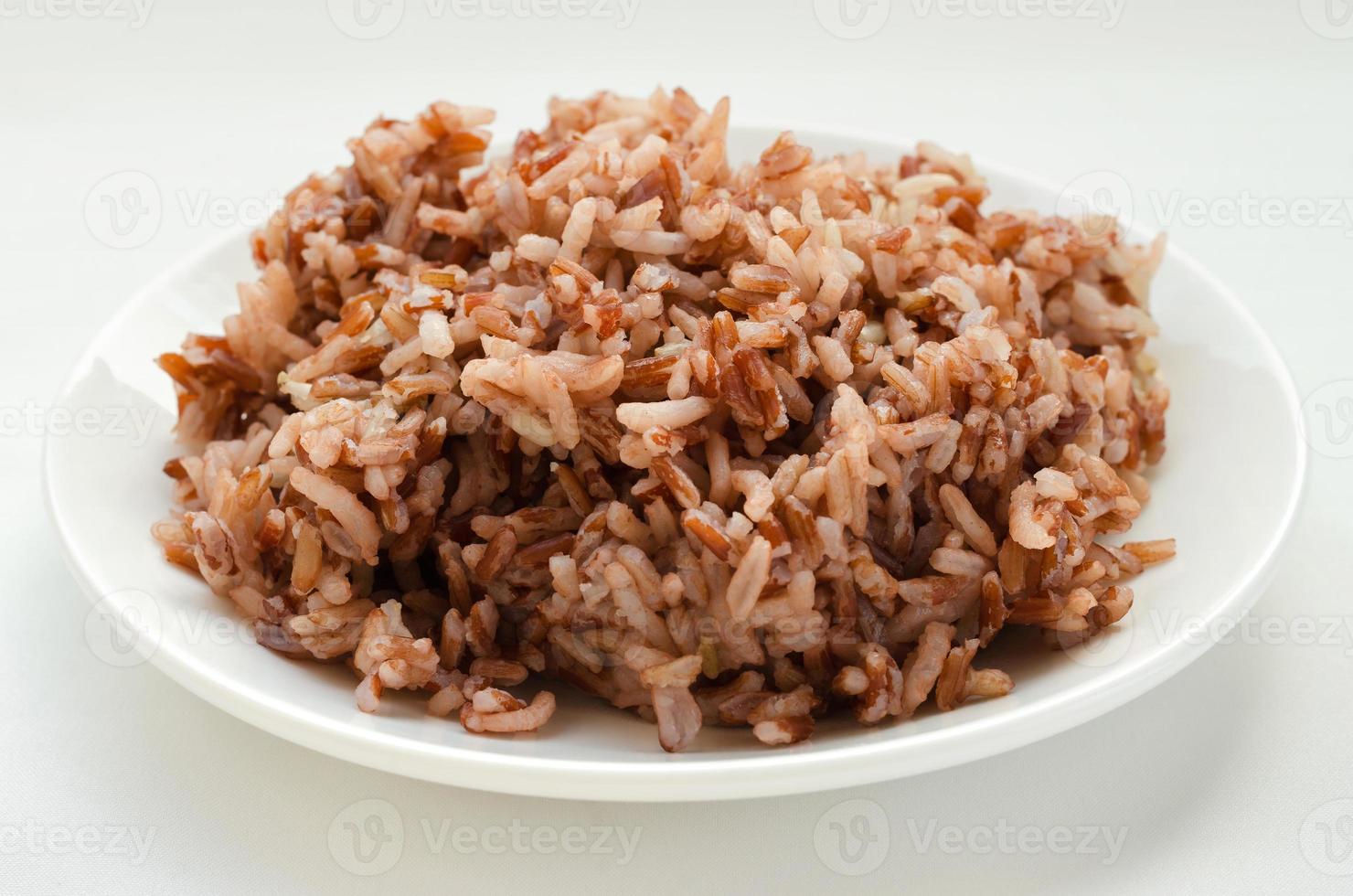
Unlike richer grains or high-fat foods, brown rice tends to be well tolerated during digestive upset. Its natural fiber content helps absorb excess water in the intestines, which can lead to firmer, more regular stools. It can also support healthier gut bacteria as your dog recovers. And because brown rice is naturally low in fat and mild in flavor, it’s less likely to irritate an already sensitive digestive system.
To cook brown rice as a dog diarrhea treatment, rinse it well and simmer it plain in extra water until very soft. Use about one part rice to 3–4 parts water and cook for 45–60 minutes so it’s almost mushy, then cool completely before serving. Don’t add salt, butter, oil, broth, or seasonings, and offer small portions alongside a few small meals per day until stools firm up.
Or you can skip the cooking and soothe your dog’s stomach with KOHA Limited Ingredient Dry Bland Diet Dog Food instead. The recipe features brown rice, pumpkin, and pre- and probiotics to promote healthy stools and regularity. It can be used during a sudden diarrhea flare-up or as an ongoing daily food for dogs who do best on a straightforward, stomach-friendly diet.
5. Pumpkin

Pumpkin is beneficial for dogs with diarrhea because it contains soluble fiber, which can absorb excess water in the digestive tract and firm up stools. Additionally, pumpkin is rich in nutrients like vitamins A, C, and E and potassium. Its natural anti-inflammatory properties can also help soothe and calm the digestive system, making it a gentle and effective remedy for dogs with diarrhea.
KOHA Limited Ingredient Wet Bland Diet is a great way to incorporate pumpkin into your dog’s diet. Unlike medications that can come with side effects, KOHA uses this natural ingredient to help manage symptoms while nourishing your dog from the inside out. Its easily digestible and antioxidant-rich properties help soothe an irritated digestive system and provide a gentle solution for dogs dealing with both acute and chronic diarrhea.
6. Plain Yogurt With Active Cultures

Adding plain yogurt to your dog’s diet can help restore healthy gut bacteria, especially after a bout of diarrhea. Yogurt naturally contains probiotics—beneficial microorganisms that balance the intestinal microbiome and support smoother digestion. These probiotics work to replenish the “good” bacteria that may have been lost during digestive upset, helping your dog’s system return to normal more quickly.
When choosing yogurt for your dog, look for plain, unsweetened varieties that list “live and active cultures” on the label. Avoid flavored, sweetened, or artificially enhanced yogurts, as these can upset your dog’s stomach or introduce unnecessary sugars. If your dog is sensitive to dairy, start with a small amount—about a teaspoon for small dogs or a tablespoon for large breeds—and observe how they respond.
For dogs with severe sensitivities or lactose intolerance, a probiotic supplement may be a safer and more reliable alternative. Products like Nootie Progility Pre & Probiotic Chews combine probiotics, prebiotics, and digestive enzymes to support gut balance without the risk of dairy irritation. These chews are easy to serve, tasty, and effective in maintaining healthy digestion over time.
Try Nootie Progility Pre & Probiotic Supplements for Dogs.
7. Plain Protein Sources

When your dog’s stomach is upset, keeping things simple is key, especially when it comes to protein. Lean, plain options like boiled chicken breast, turkey, or scrambled eggs (cooked without oil, butter, or seasoning) are gentle on the stomach and packed with essential nutrients. These proteins are easy to digest and help your dog maintain strength and energy while their digestive system recovers.
If you’d prefer an easier alternative to home-prepared bland meals, KOHA Limited Ingredient Wet Bland Diet delivers the same gentle benefits in a ready-to-serve format. Each recipe includes one lean animal protein (like chicken, beef, or salmon), rice, and pumpkin to provide complete, balanced nutrition for dogs with sensitive stomachs.
Shop KOHA Limited Ingredient Wet Bland Diet.
Other Alternatives to Dog Diarrhea Medicine
Brief Fasting
Short-term fasting is a helpful way to give your dog’s digestive system a chance to rest and reset. It’s especially useful after your dog has eaten something they shouldn’t have or is experiencing mild gastrointestinal upset. To begin fasting, withhold food for 12 to 24 hours, allowing the gut to calm down and start healing.
During this period, it’s important to monitor your dog’s symptoms and ensure they have constant access to fresh water to prevent dehydration. Once the fast is over, gradually reintroduce food by offering small portions of a bland diet made with easily digestible ingredients.
Keep in mind that fasting isn’t the right approach for every dog. Puppies, senior dogs, or those with existing health conditions may need a different plan, so it’s always best to consult your veterinarian before starting a fast.
Rest
Rest is just as important as diet when it comes to soothing your dog’s digestive symptoms. An upset stomach can leave your dog feeling tired, uncomfortable, or irritable. To support their healing, it’s best to limit physical activity and avoid exposing them to environmental stressors.
Start by creating a calm, quiet space where your dog can relax without interruption, and ensure it is clear of anything that normally causes your dog anxiety. Make sure this resting area is also clean, warm, and comfortable, with easy access to fresh water. A calm, low-stimulation environment gives their body the space it needs to heal properly and regain balance.
It’s also important to pay attention to their behavior and energy levels. Physical changes such as increased lethargy, restlessness, or worsening symptoms may signal that they need a visit to your veterinarian.
Monitoring your dog’s behavior and allowing them time to rest not only supports physical recovery but also helps reduce stress, which is closely tied to gut health.
Medicines and Ingredients Used in Dog Diarrhea Treatment
If you’re still looking for dog diarrhea medicine, you can expect to find these common ingredients. Please note that we’re not veterinarians and these aren’t suggestions on what to take—every dog’s health is different.
The aim is to provide a comprehensive overview to help you better understand the diarrhea medicine options available. Be sure to speak with your veterinarian before giving your dog any medication.
Kaolin-Pectin
Kaolin-Pectin can be beneficial for dog diarrhea due to their ability to absorb excess water in the intestines and firm up stools.
Kaolin clay, an aluminum silicate, acts as an adsorbent, binding to toxins and bacteria in the digestive tract and aiding in their removal from the body. Pectin, a soluble fiber found in fruits, adds bulk to stools and can help regulate bowel movements.
Together, these ingredients can help alleviate diarrhea symptoms and promote digestive health in dogs.
Some dog anti-diarrhea medicines containing Kaolin, Pectin, or both:
- Pro-pectalin Anti-Diarrheal Gel
- PET Pectillin Diarrhea Medication
- Nutri-Vet Anti-diarrhea Liquid
- Well & Good Dog Anti-Diarrhea Liquid
-
Nutri-Vet Anti-Diarrhea Liquid Digestive Supplement for Dogs
Loperamide
Loperamide works by slowing down the movement of the intestines, allowing for more water and electrolytes to be absorbed, which helps to firm up stools and reduce diarrhea. This also helps to firm up stools and reduce the frequency of bowel movements.
However, it's important to use loperamide under veterinary guidance, as improper use can lead to complications, and it may not be suitable for all dogs or types of diarrhea.
Some dog anti-diarrhea medicines with Loperamide:
- Imodium
- Diamode
Bismuth subsalicylate
Bismuth subsalicylate contains the active ingredient salicylate. It’s used to treat gastrointestinal issues such as diarrhea, indigestion, and nausea.
It works by coating the stomach and intestines, reducing inflammation and irritation, and absorbing toxins. Bismuth subsalicylate also has antimicrobial properties, which can help combat certain types of bacterial infections that may be causing diarrhea. Because salicylates can be harmful to some dogs (especially if your dog is pregnant, has a bleeding disorder, or is taking other medications), only use it under your vet’s guidance, and never give human versions without approval.
Dog anti-diarrhea medicines with Bismuth subsalicylate:
- Pepto Bismol
-
Kaopectate
Antibiotics
Antibiotics may be required if your dog’s diarrhea is caused by a bacterial infection, especially if symptoms include fever, lethargy, or bloody stools. These should never be administered without veterinary guidance, as inappropriate use can disrupt the gut microbiome or cause resistance. Vets often recommend probiotics alongside antibiotics to restore beneficial gut flora.
Antibiotics for dog diarrhea:
Probiotics
Probiotics play a vital role in managing dog diarrhea by restoring gut balance, improving stool consistency, and strengthening immune function, particularly after antibiotic use, dietary upsets, or in chronic conditions like IBD.
When choosing a probiotic supplement, look for one that contains strains like Enterococcus faecium or Lactobacillus acidophilus, which support healthy digestion and a balanced intestinal microbiome.
Probiotics for dog diarrhea:
- Enterococcus faecium
- Lactobacillus acidophilus
Nootie Progility Pre & Probiotic Supplements for Dogs is an excellent source of the probiotics your dog needs. This supplement combines probiotics with prebiotics, digestive enzymes, and supportive ingredients like pumpkin, chicory root, amylase, saccharomyces cerevisiae, and protease. Together, they help support your dog’s digestion, gut health, and intestinal well-being.
Try Nootie Progility Pre & Probiotic Supplements for Dogs
Dewormers
If parasites like roundworms, hookworms, or giardia are to blame for your dog’s diarrhea, they’ll need a dewormer. Signs include persistent diarrhea, visible worms in stool, or rapid weight loss. Most over-the-counter dewormers aren’t broad enough, so always get a proper diagnosis and prescription from your vet.
Dewormers for parasite-induced dog diarrhea:
- Fenbendazole
- Selamectin
- Milbemycin oxime
- Febantel
- Pyrantel pamoate
- Praziquantel
- Ivermectin
Other Diarrhea Medications for Dogs
Other diarrhea medicines for dogs have active ingredients including:
How to Prevent Your Dog Diarrhea
Preventing dog diarrhea starts with the basics: a balanced diet, plenty of water, and the right digestive support. Here are the best ways to keep your dog’s stomach free from flare-ups.
1. Provide a Proper Diet
A proper diet plays a crucial role in managing dog diarrhea as it addresses the root cause of gastrointestinal distress, unlike medication, which often provides only temporary relief. By providing a balanced and easily digestible diet, you can soothe the digestive system, promote healthy gut flora, and address underlying dietary triggers, ultimately fostering long-term digestive health.
KOHA offers several diet types to help soothe your dog’s digestive system:
- Bland Diet Dog Food: Gentle dog food recipes that contain a single animal protein and fiber-rich ingredients to support healthy stools
- Limited Ingredient Diets: Simple entrées formulated for dogs with food allergies or digestive issues
- Minimal Ingredient Stews: Moisture-rich dog food with easily digestible ingredients to support healthy digestion
- Pure Shreds Dog Food Entrées: Low fat dog food recipes that contain shredded ingredients and superfoods to promote weight control and increased hydration
Choosing a diet specifically tailored to your dog’s sensitivities plays a vital role in supporting their digestive health and effectively managing diarrhea symptoms. KOHA’s dog food recipes make that easy with thoughtfully curated ingredients and novel protein options, like duck and venison, that help reduce the risk of food sensitivities.
These balanced, easy-to-digest meals are gentle on the stomach and support lasting gut health, enhancing your dog’s overall well-being and reducing the risk of future flare-ups.
Explore All KOHA Dog Food Recipes.
2. Ensure Hydration
For dogs experiencing acute diarrhea, water is vital to prevent dehydration. This is particularly true in cases where vomiting accompanies the diarrhea, as this can exacerbate fluid loss and pose serious health risks.
Ensuring your dog has access to ample water helps replenish lost fluids, maintain hydration levels, and support overall health during episodes of gastrointestinal distress.
3. Consider Pre and Probiotics and Other Supplements
Supplements can help manage your dog's diarrhea by providing additional support to their digestive system. Probiotics are one supplement containing beneficial bacteria, which can help restore balance to the gut microbiome.
By replenishing the population of healthy bacteria in the intestines, probiotics aid in supporting digestion during times of stomach upset.
Prebiotics are beneficial for dogs with diarrhea because they act as a food source for beneficial bacteria in the gut. By supporting healthy bacteria, prebiotics help to restore balance to the intestinal microbiota, which can become disrupted during episodes of diarrhea. This enhances digestive function, improves stool consistency, and strengthens the immune system, ultimately aiding in the resolution of diarrhea in dogs.
In addition to probiotics, fiber supplements can further enhance digestive support. Fiber helps add bulk to the stool, making it easier for the intestines to pass waste and reducing the frequency of diarrhea—without causing constipation. Used together, probiotics and fiber supplements can create a well-rounded approach to managing digestive issues and promoting long-term gut health.
Nootie Progility Pre & Probiotic Chews are an effective way to support your dog’s digestive health. They combine probiotics, prebiotics, and digestive enzymes like lipase and amylase to support healthy digestion. These soft, flavorful chews are easy to give and well-loved by most dogs.
Order Nootie Progility Pre & Probiotics Supplements for Dogs
4. Limit Access to Unsafe Foods and Ingestible Items
Prevention starts with awareness, especially when it comes to what your dog eats and explores. Dogs are naturally curious and often can’t resist scavenging, whether it’s table scraps or something they find during a walk. Unfortunately, many of these items can cause digestive distress, vomiting, or diarrhea.
To help prevent these issues:
- Avoid giving table scraps or rich, fatty foods: These can trigger acute stomach upset or long-term digestive issues
- Keep garbage cans sealed and out of reach: Spoiled food, bones, or grease can quickly lead to gastrointestinal problems
- Monitor chew toys and bones: Even “safe” toys can splinter or break apart, causing blockages or irritation in the digestive tract if swallowed
-
Watch outdoor habits: Dogs that pick up sticks, grass, or other debris while walking or playing outside may ingest bacteria or parasites that lead to diarrhea
Keeping a close eye on what your dog eats—and what they try to eat—goes a long way in preventing upset stomachs. A consistent feeding routine, a clean environment, and careful attention to non-edible things your dog could eat help minimize the risk of accidental ingestion and keep your dog’s gut balanced.
5. Get Regular Veterinary Care
Routine veterinary care is one of the most important steps in preventing dog diarrhea. Even with a healthy diet and good habits, issues like parasites, bacterial infections, or underlying health conditions can still strike, and regular checkups are key to catching them early.
Your vet can recommend the right deworming schedule, flea and tick prevention, and vaccinations to reduce your dog’s risk of illness-related digestive issues. Stool sample testing can also help identify parasites or other hidden causes of chronic diarrhea before they escalate into more serious problems.
In addition to physical checkups, it’s helpful to discuss your dog’s diet and any recurring digestive symptoms with your vet. They can guide you toward the best feeding plan or supplements, like probiotics or fiber-rich foods, to strengthen your dog’s gut health.
When to See a Vet For Your Dog’s Diarrhea
It's crucial to consult a veterinarian if your dog's diarrhea persists for more than 24 hours or is accompanied by other concerning symptoms such as lethargy, vomiting, or bloody stools.
If your dog is a young puppy, senior, or has an underlying health condition, prompt veterinary attention is warranted to prevent dehydration and complications. Seeking veterinary care ensures proper diagnosis and treatment tailored to your dog's specific needs, promoting a swift recovery and preventing potential health risks.
Dog Diarrhea Treatment Starts with the Right Diet
While it might feel instinctive to reach for medicine when your dog has diarrhea, sometimes the fix is much simpler: adjusting their diet. The right limited ingredient diet supports your dog's GI recovery with easy-to-digest nutrients that promote healing and overall health.
Whether your dog is dealing with a sudden bout of diarrhea or ongoing digestive issues tied to conditions like IBD or food allergies, KOHA Limited Ingredient Bland Diet Dog Food is formulated to soothe the digestive system and restore balance.
The wet bland diet recipes are ideal for when sudden digestive upset strikes, but can also work as a long-term feeding option for dogs with extra-sensitive stomachs. Each formula features easily digestible proteins, fiber-rich pumpkin, and soothing white rice to support gut health and promote firm, regular stools.
To keep your dog’s digestive health on track, the dry bland diet recipes are easy on sensitive stomachs and convenient for everyday feeding. Each recipe contains a single animal protein—chicken, beef, or salmon—and gentle ingredients like pumpkin, brown rice, and pre and probiotics, all of which promote optimal gut health.
KOHA also offers limited ingredient diet entrée options for dogs with major food sensitivities or allergies, making it easier to find a recipe that helps prevent future diarrhea flare-ups.
Every dog deserves to feel their best, and KOHA helps make that happen—one tasty meal at a time.
Dog Diarrhea Treatment FAQs
How long should you wait to see a vet for dog diarrhea?
If your dog’s diarrhea lasts more than 24–48 hours, or they’re showing serious symptoms like vomiting, low energy, dehydration, or blood in their stool, it’s time to reach out to your vet. These signs could point to an infection, parasites, or another underlying health issue. In those cases, your vet might recommend medication and dietary changes to help your dog recover.
How can I stop my dog's diarrhea?
The best dog diarrhea treatment depends on the underlying cause and your dog’s overall health. For mild cases, over-the-counter remedies like kaolin-pectin or bismuth subsalicylate can help relieve symptoms such as upset stomach, indigestion, or heartburn.
If their diarrhea stems from a bacterial infection, your vet may prescribe antibiotics that help your dog's immune system fight off the infection. They may also recommend dewormers as a short-term treatment for digestive issues caused by parasites. To support recovery and maintain ongoing gut health, probiotics are a great addition to your dog’s daily routine.
For a long-term solution, consider KOHA Bland Diet Dog Food, which offers gentle, filler-free recipes designed to support easy digestion. Each wet food option contains a single animal protein, white rice, and pumpkin to help maintain stool regularity. They’re also nutritionally complete, making them suitable as your dog’s everyday meal.
Should I stop giving my dog food if he has diarrhea?
It depends on the severity of your dog’s symptoms and their overall health. For most adult dogs, a short 12–24-hour food break can give the digestive system time to rest and reset, especially after eating something they shouldn’t have. After this brief fast, start reintroducing food slowly with a bland diet, such as KOHA Limited Ingredient Wet Bland Diet.
However, never fast puppies, seniors, or dogs with underlying health conditions like diabetes, as they can’t safely go for long without calories. If your dog’s diarrhea persists beyond a day or includes vomiting, lethargy, or blood, skip the fasting altogether and contact your vet.
Should I let my dog drink water if he has diarrhea?
Yes, you should always let your dog drink water when they have diarrhea. Diarrhea causes the body to lose large amounts of fluids, and dehydration can become a serious risk very quickly. Offer your dog small sips of water at a time to prevent further stomach upset.
If your dog refuses to drink or shows signs of hydration like dry gums, excessive panting, or lethargy, contact your vet right away.
Do vets recommend Imodium for dogs?
Vets may recommend Imodium (loperamide) for dogs, but only under their direct supervision. It’s not FDA-approved for animals, though some vets might prescribe it off-label for mild, non-infectious diarrhea once they’ve ruled out more serious causes. It works by slowing down movement in the intestines, which helps the body absorb fluids and firm up stools.
That said, Imodium isn’t safe for every dog. Certain breeds, like Collies and Australian Shepherds, have a gene mutation (MDR1) that makes them especially sensitive to the drug. It can also cause problems if your dog’s diarrhea is due to infection, toxins, or parasites, since it may hide symptoms or slow recovery, ultimately putting their health at risk.
In most cases, vets prefer to start with safer dog diarrhea treatment options, such as dietary changes, hydration, or probiotics before turning to medications like Imodium. Always check with your vet before giving any human medication to your dog.
What is the dog version of Pepto Bismol?
There isn’t an official canine Pepto Bismol, but vets sometimes prescribe kaolin-pectin formulas or bismuth subsalicylate (the active ingredient in Pepto Bismol) in carefully adjusted doses.
You should never give your dog Pepto Bismol or any human medication as a dog diarrhea treatment without your vet’s approval. The salicylates in it can be harmful to some dogs, especially those with bleeding disorders, pregnant dogs, or dogs taking other medications.
How do you treat a dog with diarrhea but acting normal?
If your dog has diarrhea but is still eating, drinking, and acting normally, it’s important to address their symptoms early. One way is to transition your dog to a bland diet to make sure they’re getting essential nutrients that are gentle on their stomach while maintaining proper hydration.
Adding a dog-safe probiotic is another solution to address diarrhea symptoms and to provide balance for your dog's gut health. However, if diarrhea continues beyond three days or starts to worsen, it’s important to schedule a vet visit to rule out underlying issues like infections, parasites, or food intolerances.
Should you walk a dog with diarrhea?
Yes, but keep the walk light and short. Gentle walks allow your dog to relieve themselves and get mild exercise without overexertion. Try to skip long walks or intense play for now—too much activity can upset their stomach even more and make diarrhea worse.
Always bring waste bags and clean up thoroughly, since diarrhea can spread bacteria or parasites to other animals. Once your dog’s stool returns to normal and their energy is back, you can gradually resume your usual walking routine.
Share
