
Free Shipping on orders over $69

Best Cat Food for Inflammatory Bowel Disease

Highly Digestible Recipes for Cats with Inflammatory Bowel Disease
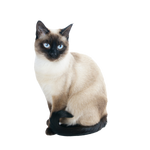
Finding the right diet for your cat's needs can help support healthy digestion and minimize flare-ups.

Managing Your Cat’s Inflammatory Bowel Disease Starts with a Gentle Diet

Inflammatory bowel disease (IBD) in cats is a chronic condition where the gastrointestinal tract becomes irritated and inflamed, leading to uncomfortable symptoms like vomiting, diarrhea, and weight loss. Certain cat food ingredients can trigger IBD flare-ups and worsen symptoms.

Finding the best cat food for inflammatory bowel disease means choosing recipes that are gentle on the digestive system and free from common irritants. KOHA is an excellent cat food for IBD, with limited ingredient and bland diet recipes designed for sensitive digestion.

Find the Best Cat Food for Inflammatory Bowel Disease

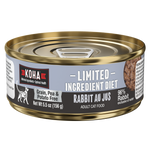
Rabbit Cat Food: Limited Ingredient Diet Rabbit Au Jus for Cats
Regular price
$72.04
Sale price
$72.04
Regular price
Sold out
Unit price
per 
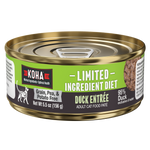
Limited Ingredient Diet Duck Pâté for Cats
Regular price
$50.16
Sale price
$50.16
Regular price
Sold out
Unit price
per 
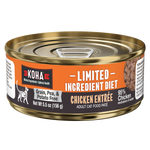
Limited Ingredient Diet Chicken Pâté for Cats
Regular price
$42.96
Sale price
$42.96
Regular price
Sold out
Unit price
per 
Limited Ingredient Diet Turkey Pâté for Cats
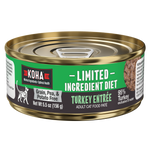
Regular price
$42.96
Sale price
$42.96
Regular price
Sold out
Unit price
per 
Kangaroo Cat Food: Limited Ingredient Diet Kangaroo for Cats
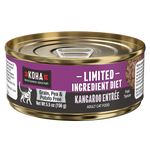
Regular price
$96.76
Sale price
$96.76
Regular price
Sold out
Unit price
per 
Venison Cat Food: Limited Ingredient Diet Venison Entrée for Cats
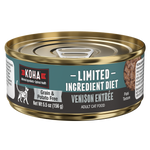
Regular price
$72.04
Sale price
$72.04
Regular price
Sold out
Unit price
per 
Limited Ingredient Bland Diet Wet Food Chicken & Rice Recipe for Cats
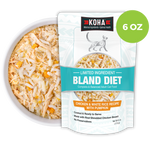
Regular price
$41.88
Sale price
$41.88
Regular price
Sold out
Unit price
per 

Is Your Pet Experiencing?

Food Allergies

Itchy irritated skin, ears, or paws

Digestive Issues

Upset stomach, loose stools, vomiting, itchy or irritated skin , ears or paws

Picky Eating

Refusing to eat, not getting the proper nutrition, and wasting food

What Causes Inflammatory Bowel Disease in Cats?

The exact cause of IBD in cats is unknown, but current evidence suggests the condition is a result of complex, abnormal interactions between a cat’s immune system, diet, and gut bacteria.

Some cats seem to develop IBD after eating the same proteins or ingredients over time, while others may have a genetic predisposition. Stress, sudden diet changes, and other environmental factors can also contribute to flare-ups or worsening symptoms.

Symptoms of IBD in Cats

Catching the signs of IBD early can make a big difference in helping your cat feel better. Some of the most common symptoms of IBD in cats include:

  • Frequent vomiting (sometimes with undigested food or bile)
  • Diarrhea or loose stools
  • Constipation
  • Weight loss (even if your cat is still eating normally)
  • Decreased appetite or refusing to eat
  • Low energy or acting more tired than usual
  • Bloating or a tender belly
  • More gas than normal
  • Blood or mucus in the stool

If you’re noticing any of these symptoms—especially if they’re happening regularly—it’s best to check in with your veterinarian for a proper diagnosis and next steps.

Treatment for IBD in Cats

Dietary changes are the first line of defense when managing IBD in cats. Switching to cat food for inflammatory bowel disease that uses limited ingredients, novel proteins, and moisture-rich recipes can help support your cat’s digestive health. If food changes alone don’t ease symptoms, your vet may recommend medications as additional support.

When transitioning your cat to a cat food for IBD, take it slow, introducing the new food over at least 7-10 days. Start by mixing a small amount into their current food, then gradually increase the new food while decreasing the old. This slow transition helps prevent extra stomach upset and gives your cat time to adjust.

Limited Ingredients

Fewer ingredients means fewer chances of exposing your cat to something that might irritate their gastrointestinal tract. Look for recipes made with one protein source—ideally, a novel protein like duck, rabbit, or kangaroo that your cat hasn't eaten before. These proteins are less likely to cause a reaction because your cat's immune system hasn't been exposed to them.

Highly Digestible Recipes

Prioritize recipes built around simple, easy-to-digest ingredients. Pumpkin and white rice, for example, are gentle fiber sources that support healthy stools and regularity. Single animal protein is a great choice to minimize the risk of food sensitivities.

Moisture-Rich Formulas

Wet food benefits cats with IBD in a few key ways. Its high moisture content helps with hydration, which is especially important if your cat’s dealing with vomiting or diarrhea. Wet formulas also tend to be easier to digest than dry kibble, with a softer texture that’s less taxing on the gastrointestinal tract. And because wet food is often more palatable for cats, it can help encourage cats with a decreased appetite to eat.

No Junky Fillers

When your cat has IBD, avoiding junky fillers is crucial. Ingredients like corn, soy, and artificial additives can trigger sensitivities and worsen gastrointestinal symptoms. By eliminating potential irritants, you're giving your cat's digestive system the best chance to function at its best.

Benefits of the Best Cat Food for IBD

Proven with Picky Pets

Stop throwing away food (and money) with recipes pets love.

Zero Junky Fillers

Avoid food allergies and obesity with recipes that eliminate the junky fillers in many “premium” foods.

Safe for Sensitive Stomachs

End the stomach upset and allergies with the right protein for your pet.

Types of Cat Food for Inflammatory Bowel Disease

Whether your cat needs a limited ingredient wet food for everyday feeding or a short-term bland diet during flare-ups, the right food can make their IBD symptoms easier to manage.

Limited Ingredient Cat Food

As the name suggests, limited ingredient cat foods focus on fewer ingredients to help minimize dietary triggers and unnecessary additives, while still providing balanced nutrition.

KOHA Limited Ingredient Diet Pâté for cats features an easily digestible, single animal protein and gentle ingredients that provide additional digestive support, such as pumpkin and turmeric. They’re also free from junky fillers that can irritate sensitive stomachs, like corn, wheat, and soy.

Bland Diet Cat Food

Bland diet cat food is specially formulated for cats with sensitive stomachs and gastrointestinal issues. Featuring gentle ingredients like shredded chicken, pumpkin, and white rice, KOHA Limited Ingredient Bland Diet for cats is designed to support regularity and overall digestive comfort. 

The simple ingredient list and soft, moisture-rich texture makes it a great option for cats recovering from digestive upset or managing chronic conditions like IBD. It can be fed as an everyday meal or kept on hand for future flare-ups.

Novel Protein Cat Food

Novel protein cat food introduces your cat to animal proteins they’ve never eaten before. Because your cat’s immune system hasn’t been exposed to these proteins, they’re less likely to trigger a reaction. This can be especially helpful for cats with IBD that flares up after eating common proteins like chicken or beef. KOHA offers several novel protein options for cats who need them, such as venison, rabbit, and kangaroo.

Hypoallergenic Cat Food

Hypoallergenic cat food is tailored to cats with sensitive systems, reducing exposure to common allergens, and offering balanced nutrition that supports long-term health. For cats with IBD that's triggered by food allergies, KOHA cat food can provide relief and support healthy digestion.

Cat Food for Inflammatory Bowel Disease FAQs

How do I help my cat with IBD?+

The best way to help your cat with IBD is to work with your veterinarian to develop a management plan that fits your cat’s symptoms. One of the first lines of defense is switching to a high-quality cat food for inflammatory bowel disease made with a minimal number of ingredients and no junky fillers, like KOHA Limited Ingredient Diet Pâté and Bland Diet recipes. 

If food changes alone aren’t enough, your vet may also recommend medications as additional support to help maintain normal digestive function.

What food is best for cats with IBD?+

The best cat food for inflammatory bowel disease is one that's highly digestible, made with limited ingredients, and free from junky fillers. Look for recipes that feature a single protein source (especially novel proteins), gentle fiber sources like pumpkin, and high moisture content. KOHA Limited Ingredient Diet Pâté and Bland Diet recipes are specifically designed to support cats with sensitive stomachs and gastrointestinal issues.

What is an anti-inflammatory diet for cats?+

An anti-inflammatory diet for cats focuses on eliminating ingredients that may cause the immune system to overreact and trigger inflammation. It typically relies on gentle, limited ingredient recipes—like those from KOHA—and avoids junky fillers such as carrageenan, artificial colors, and preservatives. 

What foods reduce inflammation in cats?+

To reduce inflammation in cats, opt for limited ingredient and bland diet foods, like those from KOHA. Recipes feature an easily digestible, single animal protein and gentle ingredients that support digestion, such as pumpkin or turmeric. They also exclude common allergens such as potatoes, artificial flavors, and other junky fillers that might irritate the gastrointestinal tract.

What causes an IBD flare-up in cats?+

IBD flare-ups in cats are primarily caused by extreme food sensitivities and allergies. Certain ingredients—particularly common proteins like chicken or beef—can trigger an immune response in the gut and lead to symptoms like vomiting, diarrhea, or loose stools. Some cats also react poorly to additives or low-quality fillers. 

Other causes of IBD flare-ups in cats include sudden diet changes, stress, parasites, and bacterial imbalances in the gut (dysbiosis).

Is pumpkin good for cats with IBD?+

Yes, pumpkin can be beneficial for cats with IBD. It’s a gentle source of fiber that can help support digestion and regularity. 

Instead of mixing pumpkin into meals and trying to guess the right amount, choose a cat food for inflammatory bowel disease that already includes pumpkin in the recipe. KOHA cat food includes pumpkin in its limited-ingredient recipes and is gently formulated for cats with extreme food sensitivities.

Can cats with IBD have dry food?+

Some cats with IBD may tolerate dry food, but wet food is generally a better choice for managing gastrointestinal issues. It provides higher moisture content, which supports hydration and makes digestion easier. The soft texture is also gentler on the digestive system compared to dry kibble. 

If you're considering dry food for your cat with IBD, consult your veterinarian to make sure it meets your cat's specific needs.

How often should you feed a cat with IBD?+

How often you should feed a cat with IBD depends on your cat’s individual needs and your vet’s recommendations. In general, smaller meals given more frequently throughout the day can be easier on the digestive system and may help minimize symptoms like vomiting. Keeping a consistent feeding schedule and avoiding sudden diet changes can also help reduce flare-ups.